
How to build a habit, and the truth about 21 days
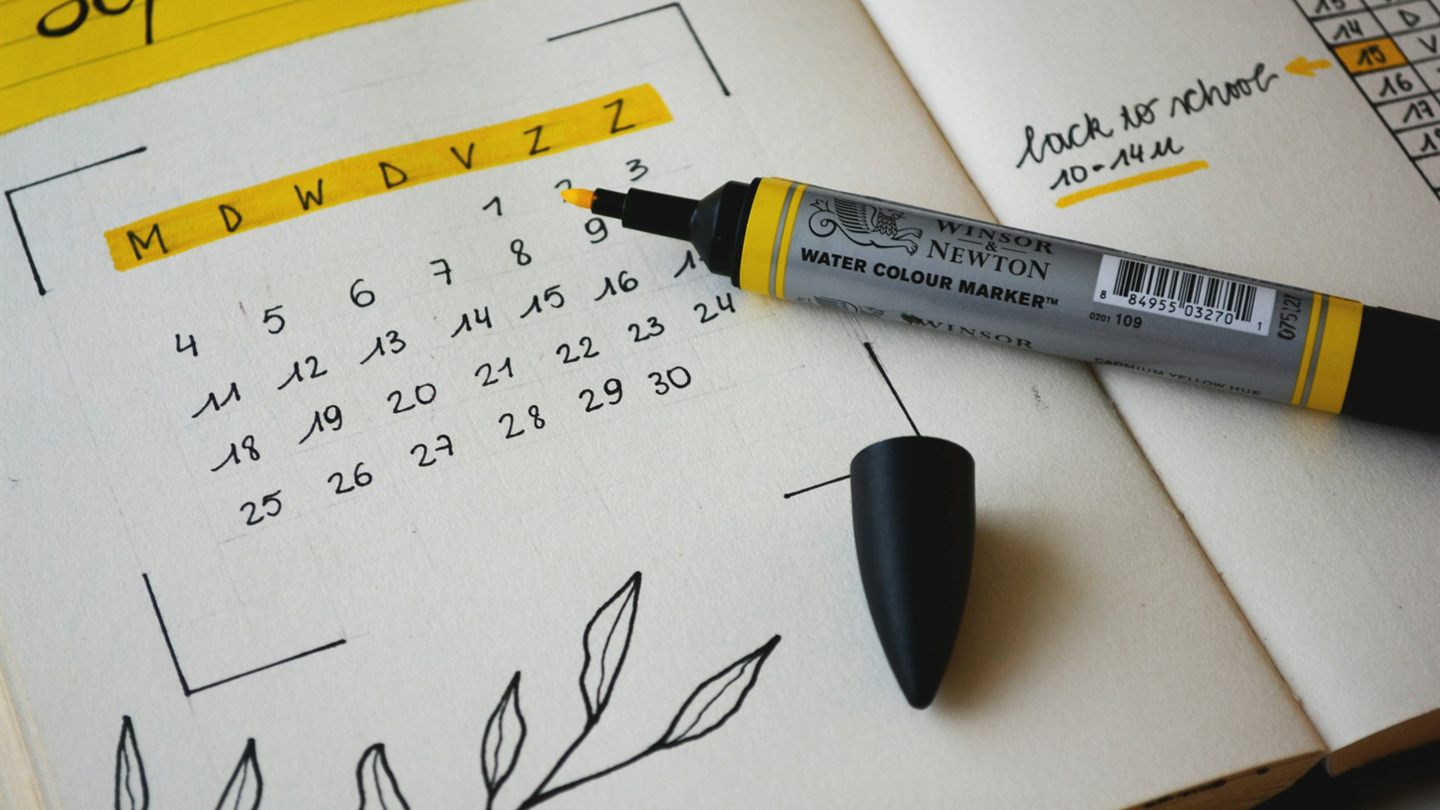
Everyone knows the 21-day rule, but it wasn't a psychologist who came up with it. It was a plastic surgeon, and he was talking about something else entirely. How long it really takes, and what keeps a new habit alive through week two.
Somewhere around week two, a new habit starts to bargain. "It's fine to skip today, we'll make up for it tomorrow." Meanwhile, the famous deadline keeps ticking in the back of your head: 21 days, and after that it'll run on autopilot.
Spoiler: it won't run on its own, and 21 days has nothing to do with it. But there are techniques that make it easier for a new habit to take root.
Where the 21-day rule came from
The 21-day rule didn't come from a psychologist. It came from a plastic surgeon. In 1960, Maxwell Maltz published Psycho-Cybernetics and shared an observation: his patients needed "a minimum of about 21 days" to get used to their new face after surgery. Retelling after retelling, "minimum" and "about" fell away, the plastic surgery was forgotten, and what was left was a catchy formula: a new habit in 21 days.
It sounds convincing, but in the research, no habit ever showed up on schedule like a commuter train.
How long does it take to form a habit, really?
The real experiment was run in 2010 by psychologist Phillippa Lally at University College London. About a hundred people each picked a healthy action, like drinking a glass of water with lunch or going for a run before dinner, and repeated it every day, rating how automatic it had become.
According to the study's results, the typical habit took 66 days. The range was enormous: anywhere from 18 to 254 days. Simple actions like the glass of water became automatic faster, while exercise took longer.
The same study had some good news too: missing a single day barely made a difference. A habit doesn't reset to zero because you slipped once.
How to build a habit: 7 techniques
1. Start with a version too small to skip
Not "read for an hour a day" but "read one page". Not "work out" but "one squat". At the start, the payoff isn't the point: first the action has to become automatic. It's easy to scale up once the habit holds, and much harder to start over after a flop.
2. Stack it on something you already do
The formula is simple: "After I..., I will...". For example: "After I start the coffee maker, I do ten squats." Or: "After I brush my teeth at night, I open my book." In Atomic Habits, James Clear calls this habit stacking.
The old habit works as a reminder, and the new one hooks onto it. Psychologists call plans like this implementation intentions, and they're among the most thoroughly studied techniques there are.
3. Same time, same place
A habit is a strong link between a situation and an action. The more stable the situation, the faster the link gets stronger. Running "sometime in the evening" is harder than running "at 7:30, right after the alarm".
4. Clear the obstacles in advance
Sneakers by the door, the book on your pillow, a water bottle on your desk. The fewer steps between you and the action, the fewer chances to change your mind. It works the other way too: if you want to spend less time on your phone, let it charge overnight outside the bedroom.
5. Check it off every day
A habit tracker is a table where you mark every day you did it with a check or an X. It's a simple trick, and it works: a meta-analysis of 138 experiments found that tracking your progress noticeably improves your odds of reaching a goal, especially when you write it down or share it with others. More on the kinds of trackers below.
6. Never miss twice
One missed workout isn't a disaster, and Lally's study shows it. The second one is the dangerous one: after that, a new habit easily sets in, the habit of not doing it. Hence the rule James Clear popularized: missing once is fine, just never twice in a row.
7. Give the habit a price
When motivation alone isn't enough, a deal with yourself helps: skipping should cost you something right at the moment you're deciding. Why that works, and why paying for a gym membership upfront doesn't, comes down to timing.
Habit tracker: paper, spreadsheet or app
The best habit tracker is the one you'll actually see:
- Paper. A printable monthly sheet or a page in your planner, with habits in rows and days in columns. It works best on the fridge. The downside: it stays at home.
- Spreadsheet. Excel or Google Sheets with checkboxes. Easy to tally up, but just as easy to forget to open.
- App. It reminds you on its own and counts your streaks. The downside: one more app you have to remember to open.
- Telegram. If you're in Telegram all day anyway, you can track your habits there too.
A simple weekly habit tracker template looks like this:
| Habit | Mon | Tue | Wed | Thu | Fri | Sat | Sun |
|---|---|---|---|---|---|---|---|
| Glass of water | ✓ | ✓ | ✓ | ✓ | ✓ | ✓ | |
| One page of a book | ✓ | ✓ | ✓ | ✓ | |||
| Ten squats | ✓ | ✓ | ✓ | ✓ | ✓ | ✓ |
A monthly habit tracker works the same way, just with 31 columns. And two empty boxes in a row, like the book on Wednesday and Thursday, are your cue to remember the never-miss-twice rule.
In StarDo, habits fit naturally into repeating tasks: set one to repeat every day or on weekdays, and each time becomes its own task with its own promise and its own star in your sky. Streaks earn achievements, from Liftoff for three days in a row to A Trip Around the Sun for a full year. And 30 days with tasks done, even with gaps, earns Your Own Rhythm: just as Lally found, rhythm matters more than a perfect streak.
Good daily habits: examples
Here's how these techniques work for the four habits people try to build most often.
Reading
One page before bed, with the book on your pillow. Your phone charges in the kitchen, or it wins. After a couple of weeks, that one page often stretches into a chapter on its own.
Drinking water
A glass of water right after you brush your teeth, and a bottle on your desk. It's one of the simplest habits, and simple habits stick fastest.
Waking up early
Move your wake-up time 15 minutes earlier every few days, not two hours all at once. Put the alarm on the other side of the room so you have to get up to turn it off. And remember: waking up early means going to bed early, or the habit turns into chronic sleep deprivation.
Exercising
The most stubborn of the four: in Lally's study, exercise took longer to become automatic than eating and drinking habits did. So start small (a one-minute plank counts) and pick a specific time. And if everything keeps stalling at "I'll start on Monday", our guide to beating procrastination can help.
Frequently asked questions
How many days does it take to form a habit?
About two months on average, but anywhere from 18 to 254 days depending on the person and the habit. Simple actions become automatic faster.
What if I miss a day?
No big deal: one missed day doesn't break a habit. Just don't miss the next one too.
Does it really take 21 days to form a habit?
No. That's a retelling of a 1960 observation by a plastic surgeon about how patients got used to their new appearance. Modern research points to very different numbers.
Pick one habit, shrink it until it's almost silly, and check it off every day. In a couple of months, you'll know exactly how many days it took you.
Free, inside Telegram, nothing to install.