
How to memorize fast, from a poem to a whole exam
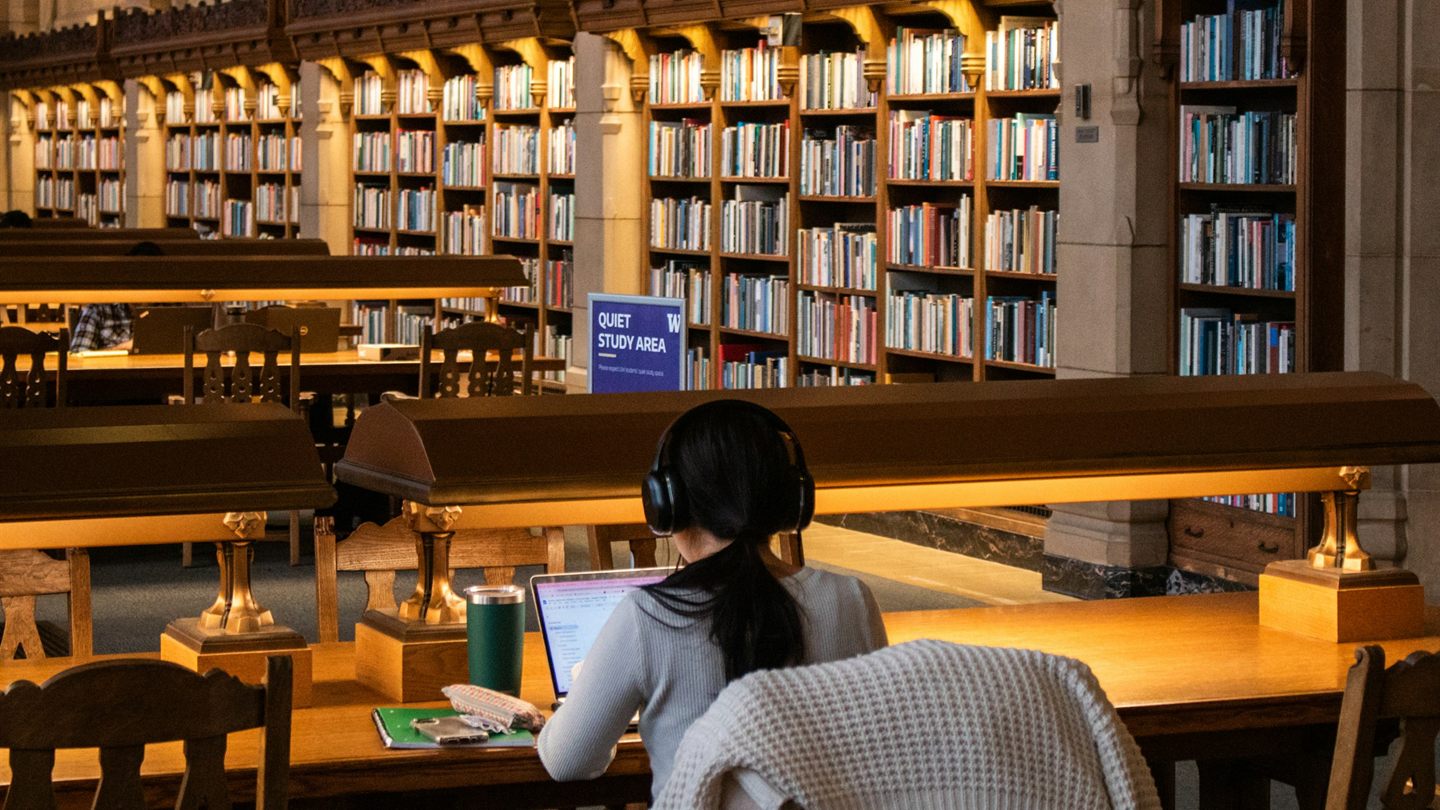
Rereading your notes for the fifth time feels good: the text is so familiar by now. The trouble is that familiar doesn't mean learned. Which study techniques actually work, and why the most popular ones don't.
The exam is tomorrow, there are forty topics on the review sheet, and so far the only thing in your head is the name of the course. Your hand reaches for your notes to reread them one more time. It's the most natural thing to do, and very nearly the least useful.
Why rereading doesn't work
Psychologists Henry Roediger and Jeffrey Karpicke compared two ways of studying: some students reread a text several times, while others read it once and then tried to recall it without looking. Five minutes later, the rereaders remembered more. But two days and a week later, they fell well behind the students who had practiced recalling. The sneakiest part: rereading made students more confident that they'd learned the material.
A large review of ten study techniques ranked rereading, highlighting and summarizing among the least useful. The top ratings went to two techniques: practice testing and spreading your study sessions out over time.
How to memorize fast: 7 techniques
1. Test yourself instead of rereading
Close your notes and try to recall: answer an exam question out loud, write down everything you remember about the topic, go through your flashcards. Then check. Each act of recall strengthens memory more than another read-through, and it also shows you honestly what you haven't learned yet.
2. Space out your practice
An hour of studying split into three 20-minute sessions on different days usually does more than the same hour in one go. This is called spaced repetition, and in the same review it shares the top spot with self-testing. A simple schedule: review the next day, then three days later, then a week later.
3. Sleep between sessions
In a 2016 experiment, 40 people learned foreign words in two sessions 12 hours apart. Those who slept between the sessions needed half as many attempts to relearn the words, and a week and even six months later they remembered noticeably more. That suggests the best routine before an exam: study in the evening, sleep, review in the morning. And an all-nighter before the exam works against your memory.
4. Ask "why?"
A fact you've simply read sticks less well than a fact that comes with an explanation. Ask yourself why it's true and try to answer: a link to something you already know works like a hook. The review gave this technique a moderate rating: it helps, just less than self-testing.
5. Mix up topics and problem types
Solving twenty problems of the same type in a row feels good, but on the exam they come mixed together. If you alternate problem types while practicing, you have to decide every time which approach to use, and that's exactly the skill the exam tests. This one also got a moderate rating, and it helps most in math and other problem-solving subjects.
6. Build a memory palace
For lists, dates and sequences, there's an ancient technique called the method of loci, or the memory palace. Picture a route you know well, say from your front door to the kitchen, and mentally place the things you need to remember along it. To recall them, just walk the route again. In a 2017 experiment, people with ordinary memories trained for 40 days and went from remembering an average of 26 words from a 72-word list to 62, and the gains still held four months later.
7. Learn in chunks
A long text or poem is hard to learn all at once. Split it into parts by meaning, learn the first, then the second, then go over both together, and keep going. Check every chunk from memory, not by reading it again.
How to memorize a poem or a speech
- Read the poem out loud and make sure you understand what it's about: things that make sense are easier to remember.
- Learn two lines at a time: read them, cover the text, repeat them.
- Add the next two lines, and each time recite everything you've learned from the beginning.
- If you get stuck, write down the first letter of each word and recite from those: you have a hint, but not the text.
- Recite the poem before bed and again in the morning, before you look at the text.
A speech follows the same steps, except you rarely need it word for word. Memorize the order of your key points, for example with a memory palace, plus the exact first and last lines.
How to memorize for an exam
- Count the days and split the topics into portions, leaving the last day for review.
- Learn each portion by testing yourself: question, answer from memory, check.
- Go back over older portions one day and three days later.
- The night before, don't reread everything. Quiz yourself from the list of questions, then get some sleep.
- If you keep putting off studying, try these anti-procrastination tactics.
How to memorize vocabulary fast
Flashcards work best: the word on one side, the translation and an example sentence on the other. Try to recall first, then flip the card. Words you missed come back more often, and words you got easily come back less often. That's how spaced repetition apps like Anki work, but paper flashcards do the job too.
The learning styles myth
The popular idea that everyone should study in their own style, as a visual, auditory or kinesthetic learner, hasn't held up. A 2008 review found no convincing evidence that matching teaching to a learning style improves learning. Study the way the material demands: maps with your eyes, pronunciation with your ears, and everything through self-testing.
Spaced repetition in StarDo
Reminders are an easy way to handle spaced repetition: add a task like "review topics 1-10" for tomorrow, three days from now and a week from now, and make vocabulary practice a daily repeating task. If sitting down to study keeps losing out to laziness, put a few Stars on the first session as a promise. Start when you said you would and it costs nothing. Skip it, and the promised Stars come due.
Frequently asked questions
How can I memorize something overnight?
You can memorize it by morning, but that kind of knowledge fades quickly, and a brain that hasn't slept holds on to new material less well. A safer plan: study in the evening by testing yourself, sleep at least a few hours, and review from memory in the morning.
How many times do you need to repeat something to remember it?
There's no magic number. A better benchmark: once you can recall it without a hint several times, with gaps of a day or two in between, it's there to stay.
How do I memorize a lot of information?
Split it into parts, write questions for each part, learn by testing yourself and review older material with breaks in between. You can't learn a huge amount in one sitting, but an hour a day for a week goes a long way.
Testing yourself is less pleasant than rereading, and that's exactly why it works. Close your notes and check how much actually stuck.
Free, inside Telegram, nothing to install.